

NitiVerse Foundation
NitiVerse Foundation is a non-profit, non-partisan public policy think tank
focused on strengthening political leadership, parliamentary effectiveness,
and evidence-based decision-making in India.
About Us
NitiVerse Foundation is an independent, non-profit, non-partisan policy and legislative think tank committed to strengthening the quality of political decision-making and governance in India. Guided by a long-term national outlook , the Foundation works to embed research, institutional thinking, and contextual understanding into legislative and political processes, ensuring that public leadership is supported by informed analysis rather than ad-hoc inputs.
The Foundation combines ground-level insight with policy research, capacity-building, and public engagement to contribute to a more capable political ecosystem. By supporting elected representatives in their legislative work, nurturing a new generation of policy professionals through structured fellowships, and creating platforms for informed public dialogue, NitiVerse Foundation seeks to strengthen democratic institutions and promote more effective, accountable, and responsive governance.

What We Do
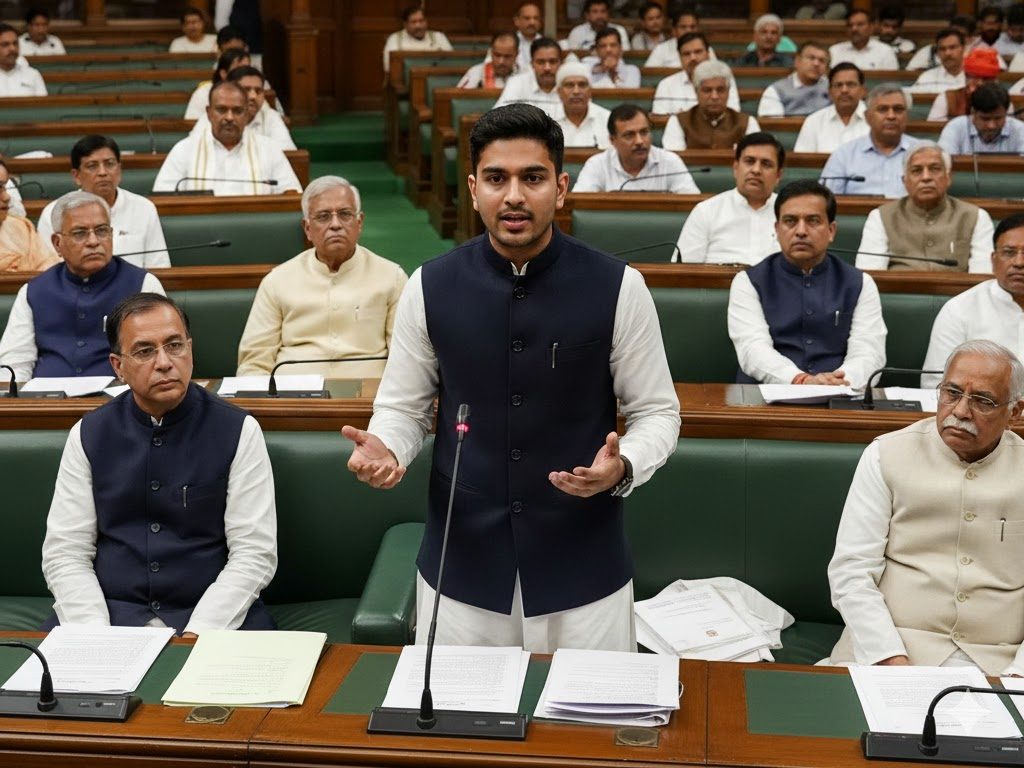
Legislative &
Parliamentary Support
We support parliamentarians with ground-based research, political strategy, and legislative assistance, including constituency diagnostics, policy briefs, parliamentary questions, and debate preparation. Our work helps bridge ground realities with national policy and strengthens parliamentary effectiveness.

Fellowships &
Capacity Building
We run structured fellowship programs that provide a platform for new-age policy professionals to engage deeply with public policy, governance, and legislative work. These fellows form a trained research pool capable of handling diverse policy and governance assignments for public leaders.

Public Engagement & Policy Outreach
We curate public-facing policy events and dialogues that bring policy and policymakers closer to citizens, fostering informed public discourse, transparency, and greater civic participation in governance.
Stories
Latest Articles
Explainers, op-eds, and perspectives that simplify
policy and governance.
-

ARE ECONOMIC SANCTIONS THE NEW WEAPON OF GLOBAL POLITICS
There are no swords, just sanctions. To understand this question properly one needs to understand the historical context of colonialism and trade. From the 15th century onward, colonial powers seized new lands and built economies rooted in exploitation and the slave trade. By the 19th century, the Industrial Revolution intensified this process by culminating in…
-
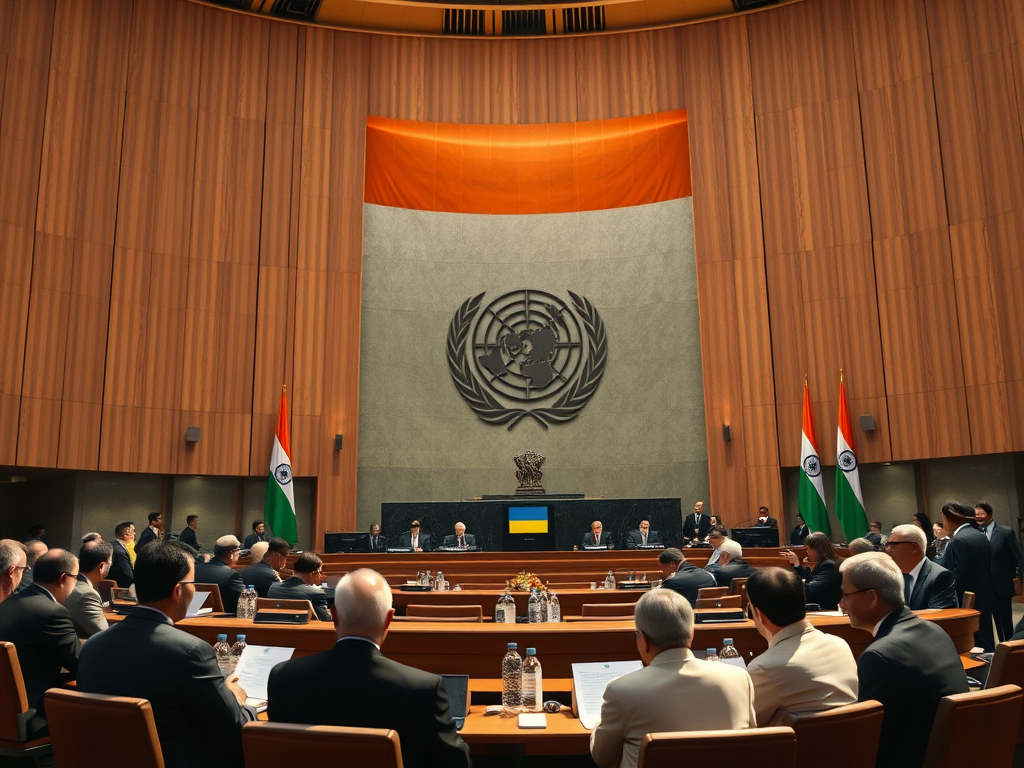
INDIA’S VOTING BEHAVIOUR AT THE UNITED NATIONS
The United Nations was established in 1945 under the Charter of the United Nations. The General Assembly occupies a central position as the chief deliberative, policymaking and representative organ of the United Nations. Comprised of all 193 Members of the United Nations, it provides a unique forum for multilateral discussion of the full spectrum of…
-

Comparative Parliamentary Practices: India, UK & Australia
This article compares parliamentary systems in India, the UK, and Australia, highlighting differences in federal structure, upper house design, and legislative processes. All three are parliamentary democracies where the executive is drawn from the lower house, but their upper chambers differ: the UK’s House of Lords is appointed and largely advisory, India’s Rajya Sabha is…

“When designed well, public policy becomes society’s strongest lever for lasting change.“