
Category: Policy
-

ARE ECONOMIC SANCTIONS THE NEW WEAPON OF GLOBAL POLITICS
There are no swords, just sanctions. To understand this question properly one needs to understand the historical context of colonialism and trade. From the 15th century onward, colonial powers seized new lands and built economies rooted in exploitation and the slave trade. By the 19th century, the Industrial Revolution intensified this process by culminating in…
· Policy -
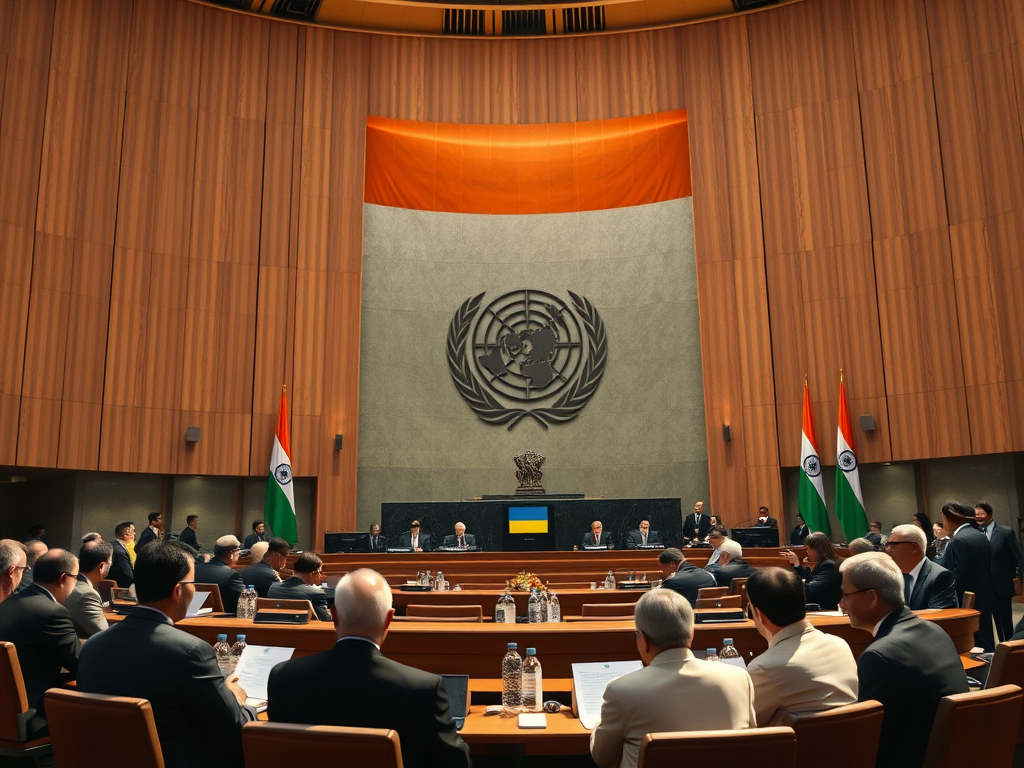
INDIA’S VOTING BEHAVIOUR AT THE UNITED NATIONS
The United Nations was established in 1945 under the Charter of the United Nations. The General Assembly occupies a central position as the chief deliberative, policymaking and representative organ of the United Nations. Comprised of all 193 Members of the United Nations, it provides a unique forum for multilateral discussion of the full spectrum of…
· Policy -

BRICS Expansion and the Western Order: India’s Strategic Test in 2026
The 2024 expansion of BRICS marks a significant consolidation of multipolarity. With the inclusion of Saudi Arabia, Iran, and Egypt, the grouping now represents roughly 45 % of the world’s population and 35% of global GDP when measured at purchasing power parity. With the addition of Iran and the United Arab Emirates, the bloc has…
· Policy -

Bridging the Neighbourhood: Analysis of India’s Neighbourhood first Policy
India has always maintained a strong presence in south Asia for security and strategy purposes. The Neighborhood First Policy(NFP) re-prioritized South Asian neighborhoods in India’s Strategic and calculations .India’s NFP prioritizes strengthening connectivity, trade, and infrastructure with neighbouring nations to foster regional stability and counter regional influence. The principles of engagement in the neighbourhood has…
· Policy -
India and the Global South: Is India successfully positioning itself as the leader of the Global South
Over the past decade, India has actively positioned itself as a leading voice of the Global South. Through its 2023 G20 Presidency, expanded engagement in BRICS, development partnerships across Africa and Asia, and diplomatic initiatives such as the Voice of Global South Summit, India has sought to institutionalize its leadership claim. India’s G20 Presidency successfully…
· Policy -

From Access to Use: Behavioural Gaps in India’s Clean Cooking Energy Policy
The Pradhan Mantri Ujjwala Yojana (PMUY), launched in 2016, aimed to expand access to clean cooking fuel by providing deposit-free LPG connections to women from socio-economically disadvantaged households. The Policy is specially appreciated for its adoption achievements. In September 2019 the target to release 80 million connections under PMUY was achieved to cover the remaining…
· Policy -
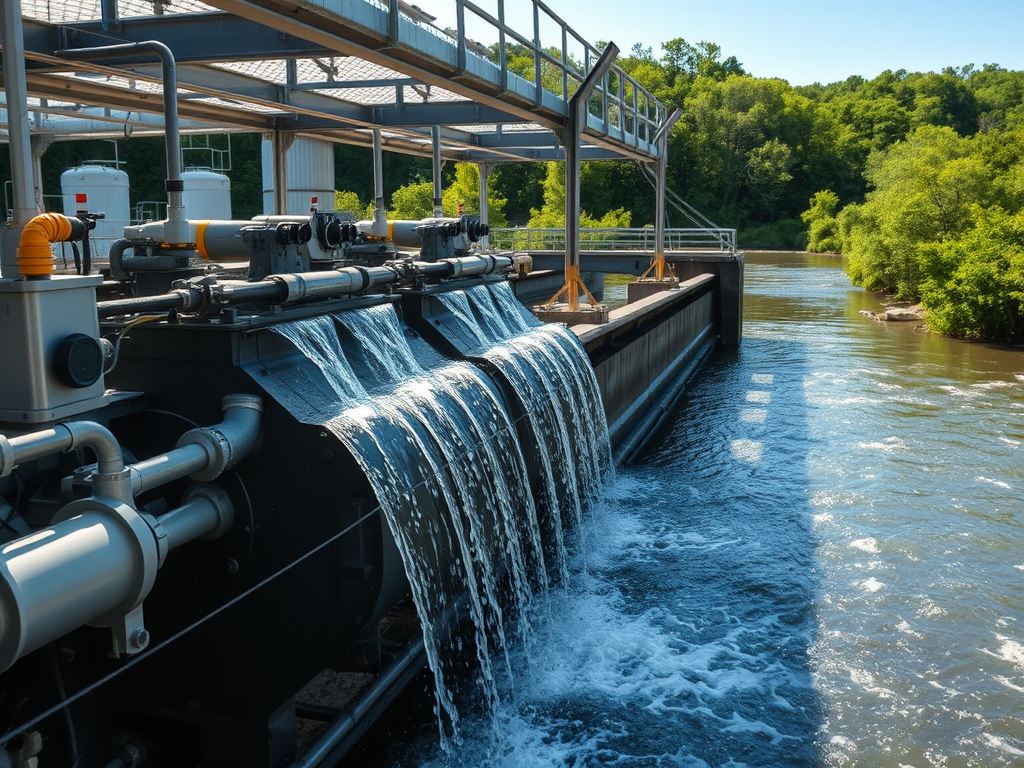
THE CRUCIAL ROLE OF EFFLUENT TREATMENT PLANTS IN MITIGATING RIVER POLLUTION
Effluent Treatment Plants (ETPs) serve as critical infrastructure in mitigating river pollution from industrial wastewater discharges. These engineered systems remove or reduce pollutants before their release into natural water bodies, preventing ecological damage and safeguarding public health. Industrial wastewater contains complex contaminants including organic matter, nutrients, heavy metals, and emerging pollutants such as microplastics and…
· Policy -

Air Pollution and Policy Response in India: Evaluating NCAP and AQI Trends in Major Cities
Air pollution remains one of India’s most pressing environmental and public health challenges. Despite institutional advancements such as the National Clean Air Programme (NCAP), the Graded Response Action Plan (GRAP), and expansion of the Air Quality Index (AQI) monitoring network, major Indian cities continue to record PM₂.₅ and PM₁₀ concentrations exceeding National Ambient Air Quality…
· Policy -
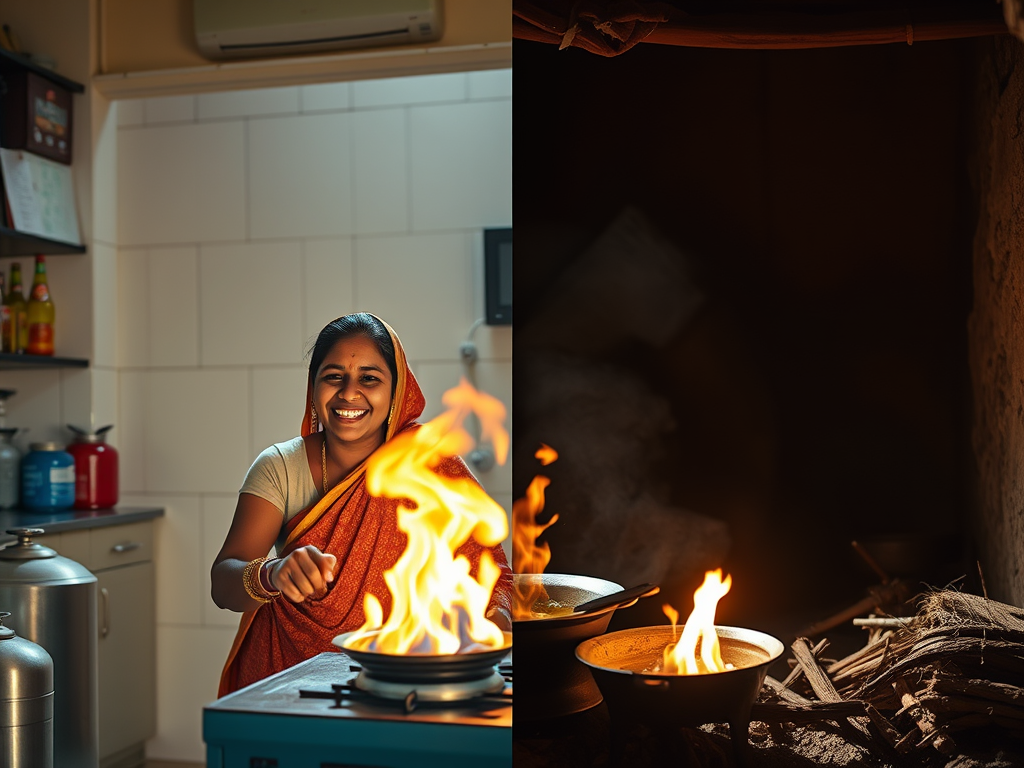
From Access to Use: Behavioural Gaps in India’s Clean Cooking Energy Policy
The Pradhan Mantri Ujjwala Yojana (PMUY), launched in 2016, aimed to expand access to clean cooking fuel by providing deposit-free LPG connections to women from socio-economically disadvantaged households. The Policy is specially appreciated for its adoption achievements. In September 2019 the target to release 80 million connections under PMUY was achieved to cover the remaining…
· Policy -
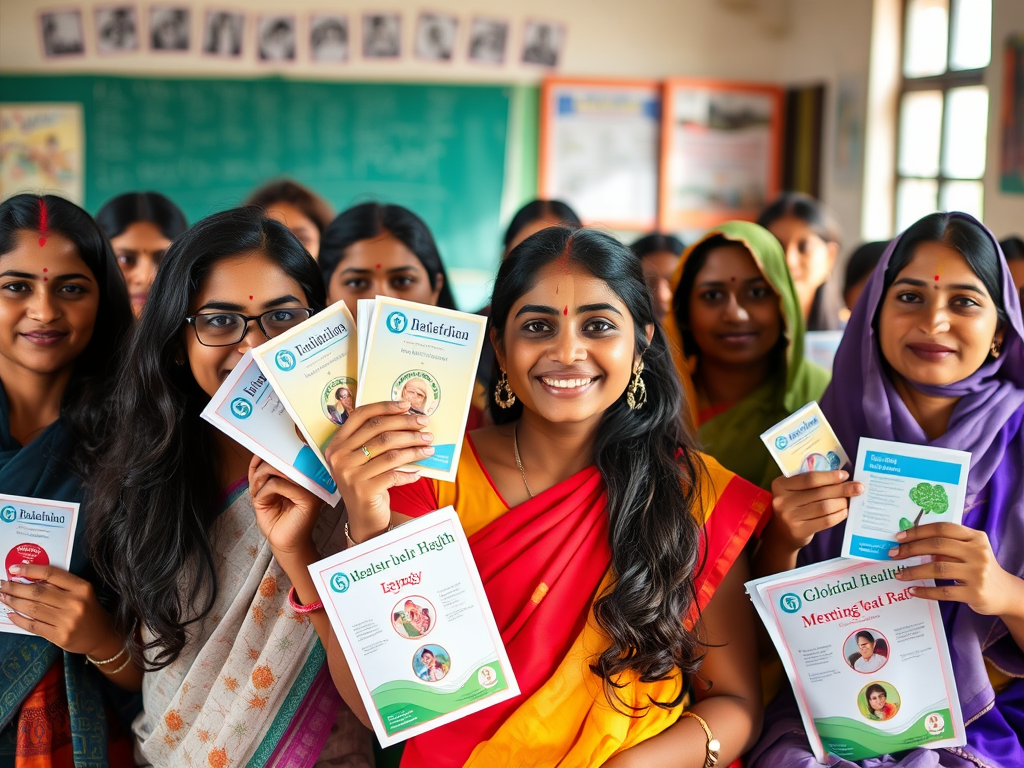
Menstrual Health & Period Poverty Policy in India
Menstrual health is a critical yet persistently under-addressed issue in India, intersecting public health, gender justice, education, and labour participation. Period poverty is lack of access to safe menstrual products, sanitation, information, and dignified conditions affects an estimated ~23% of Indian girls who drop out of school after menarche and disproportionately burdens women in low-income,…
· Policy