
Category: Governance
-

Comparative Parliamentary Practices: India, UK & Australia
This article compares parliamentary systems in India, the UK, and Australia, highlighting differences in federal structure, upper house design, and legislative processes. All three are parliamentary democracies where the executive is drawn from the lower house, but their upper chambers differ: the UK’s House of Lords is appointed and largely advisory, India’s Rajya Sabha is…
-
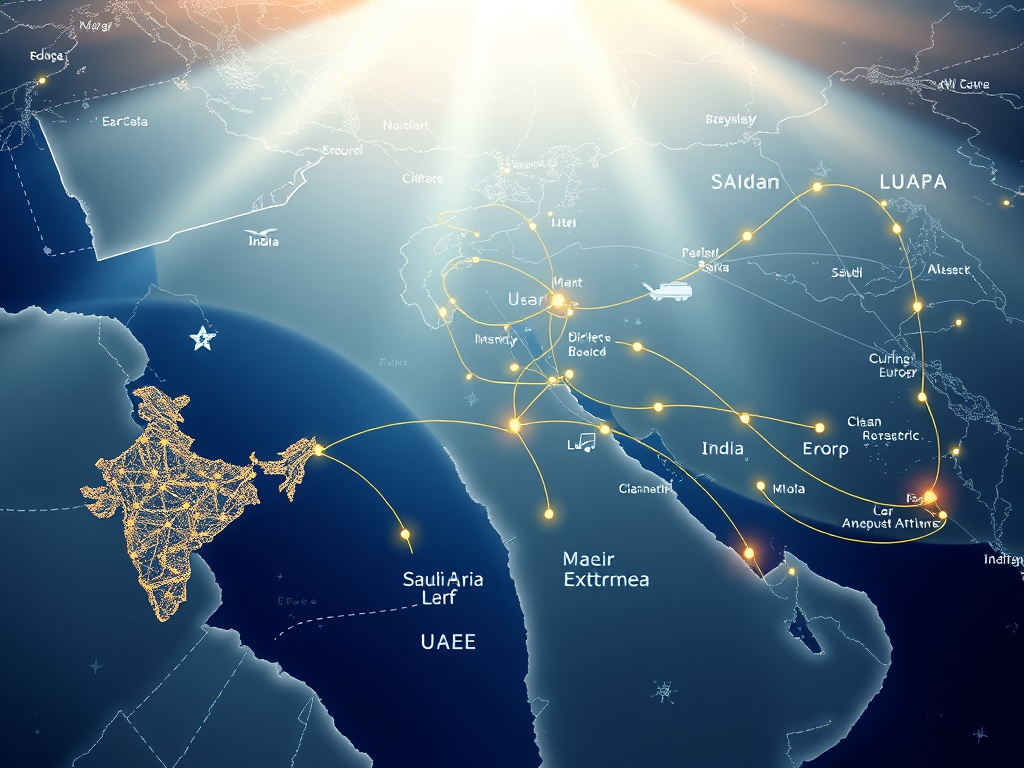
Beyond the MoU: Assessing the Strategic and Economic Viability of IMEC
On September 9, 2023, the leaders of India, the United States, the European Union, Saudi Arabia, the United Arab Emirates, France, Germany, and Italy signed a Memorandum of Understanding (MoU) at the G20 New Delhi Summit. This agreement formally launched the India-Middle East-Europe Economic Corridor (IMEC). Washington and New Delhi designed the corridor to offer…
-

EFFECTIVENESS OF CLIMATE -RESILIENT AGRICULTURE PROGRAMMES IN PROTECTING FARMERS FROM CLIMATE RISKS IN INDIA
The accessible climate resilient agriculture programmes in India, crop diversification (NICRA), irrigation (PMKSY) and insurance (PMFBY) partially protect farmers against increasing climate hazards to reach 25-30 million beneficiaries per year through massive scale. PMFBY insured 24+ crore farmers with ₹1.4 lakh crore claims since 2016; PMKSY helped 20 lakh under watershed irrigation, stabilised yields 20-80%…
-

India’s Climate Commitments: Progress, Gaps, and the Road Ahead
India is one of the world’s fastest growing economies and the third largest emitter of CO2 from fuel combustion. It participated in the Paris Agreement 2015, and as part of it submitted its Internally Nationally Determined Contributions (INDC) to the United Nations Framework Convention on Climate Change (UNFCCC), which was then updated and submitted in…
-
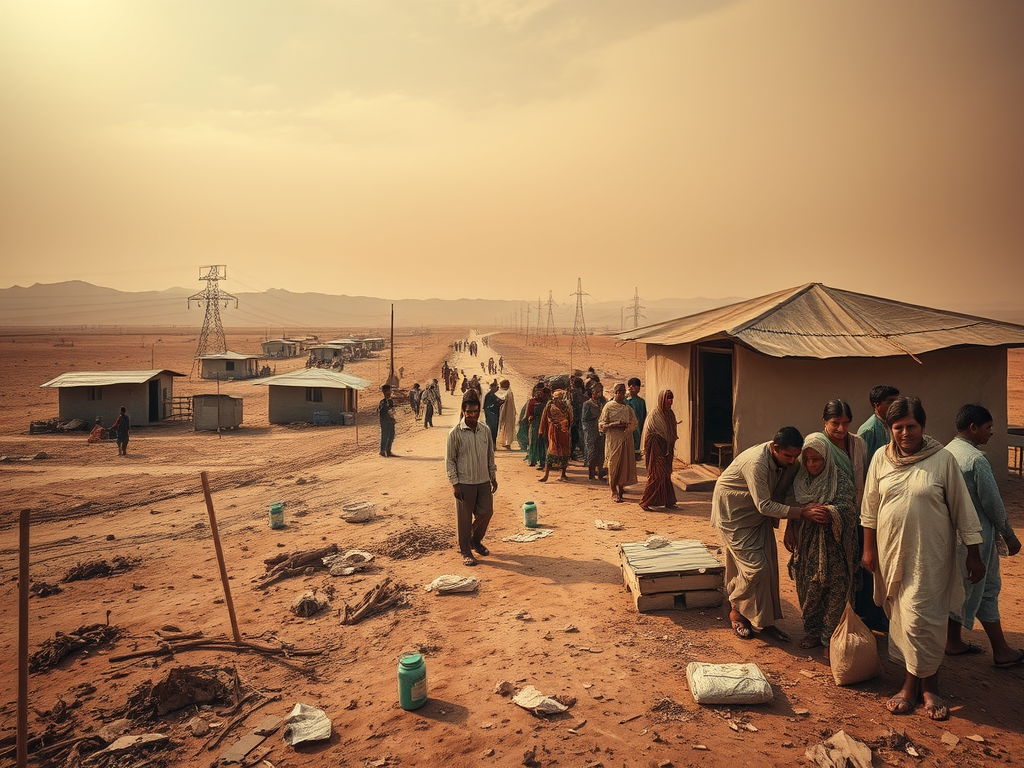
A Warming Planet, A Worsening Health Crisis
Climate change since the past few decades, has transitioned from being a mere environmental concern to a major public health, economic and social crisis, particularly in developing countries. Despite contributing the least to global greenhouse gas emissions, developing, low-income and vulnerable countries have to bear the adversities such as heatwaves, infectious diseases, food insecurity, etc.…
-
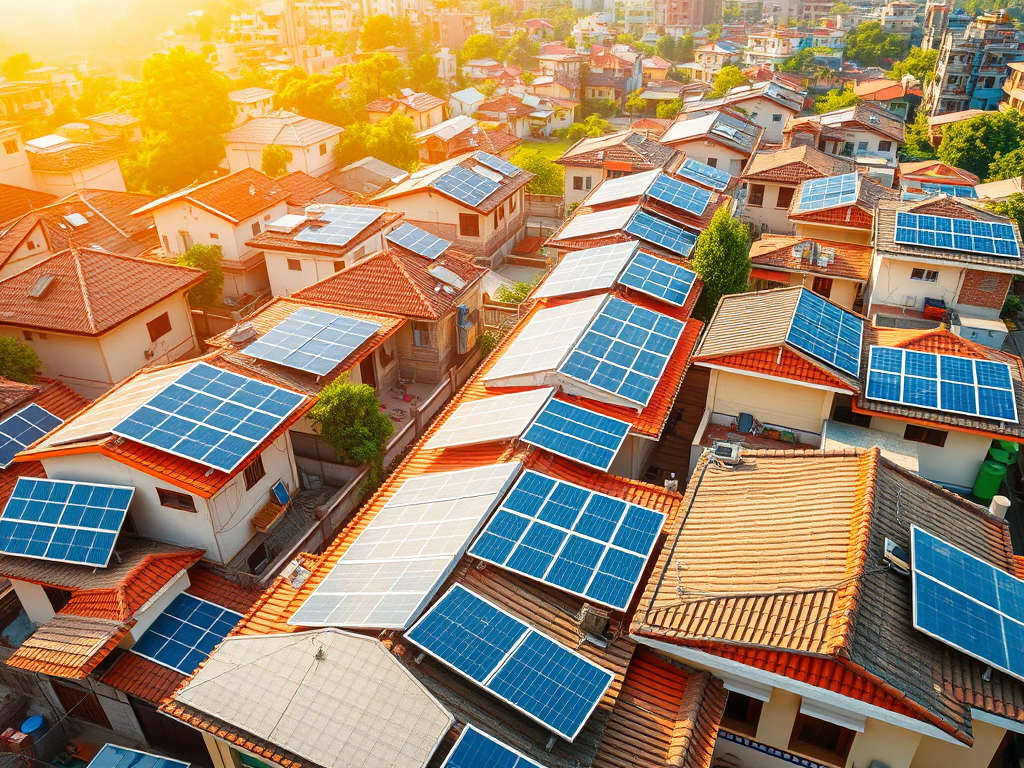
PM Surya Ghar: Muft Bijli Yojana for Rooftop Solar Adoption
The PM Surya Ghar: Muft Bijli Yojana, launched in February 2024, promotes rooftop solar on one crore households by 2026–27, supporting India’s renewable energy goals and reducing electricity costs. The scheme provides tiered subsidies, free electricity, low-interest loans, and digital monitoring. By December 2025, 2.08 million systems were installed, though adoption varies across states due…
-
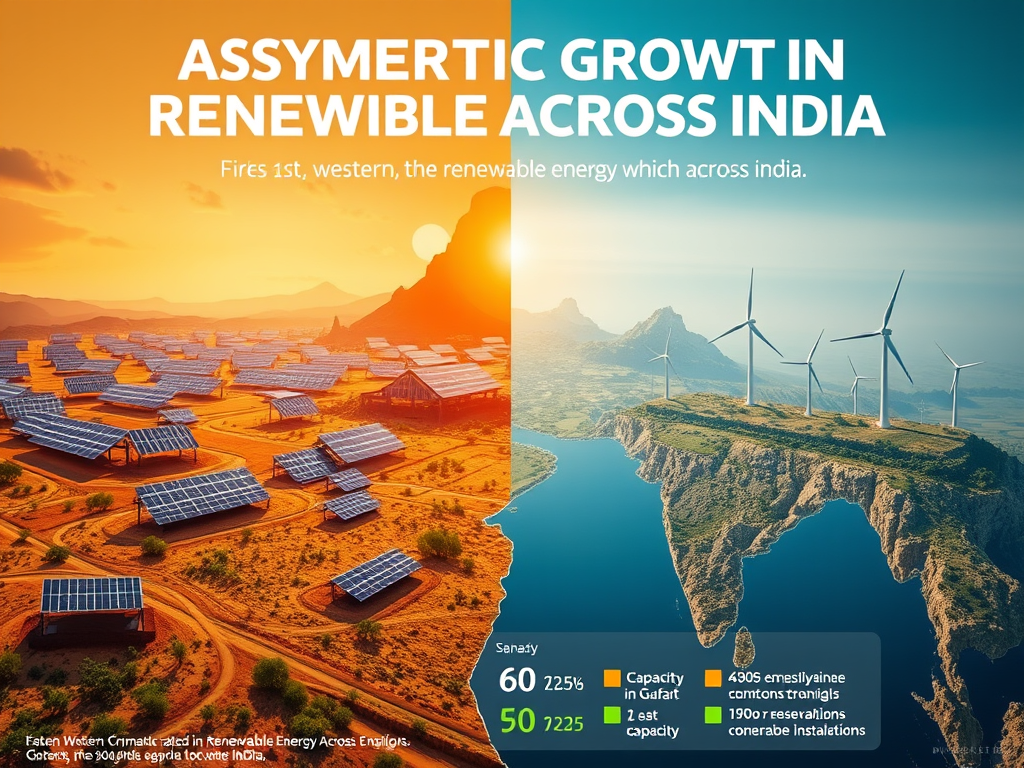
Asymmetric Growth: Analyzing State-wise Disparities in India’s Renewable Energy Trajectory
The Macro View: Tracking the Panchamrit Targets India’s renewable energy (RE) sector witnessed a structural breakout in 2025, driven by record capacity additions that pushed the country closer to its 2030 target of 500 GW non-fossil fuel capacity. As of January 31, 2026, India’s total installed renewable energy capacity (excluding large hydro) reached 212.02 GW,…
-
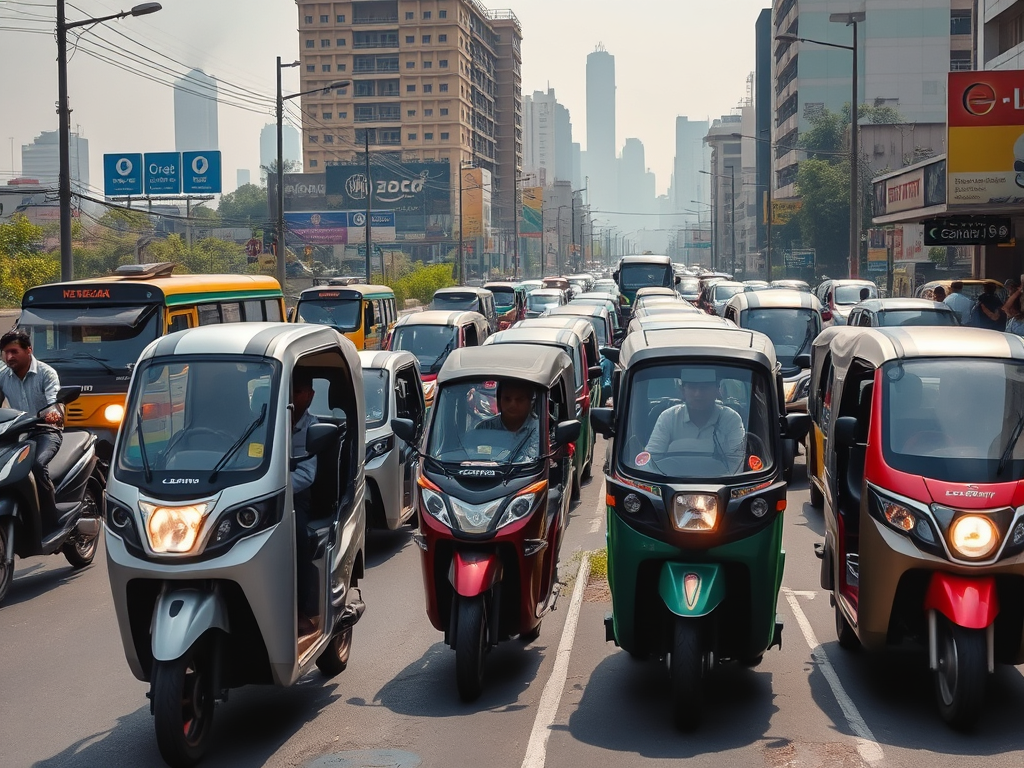
Effectiveness of Electric-Mobility Policies in Cutting Urban Air Pollution in India
India is gradually making a move towards sustainability starting with its transportation. By early 2026, India has surpassed a huge milestone of 5.6million electric vehicles (EV’s) registered on road. This growth has been explosive for market especially in two-wheeler and three-wheeler segments, despite that urban air pollution remains a grave issue. Roughly 12% of energy…
-

DELHI METRO: A MODEL OF URBAN MOBILITY AMID STRUCTURAL FINANCIAL CHALLENGES
Delhi Metro is rightfully, the most successful public transport model in place as of now. It started in 1995 as a 50-50 joint venture between the Central Government and the Government of the National Capital Territory of Delhi, which led to the establishment of DMRC vested with unprecedented powers to manage tenders, hiring, and funds,…
-
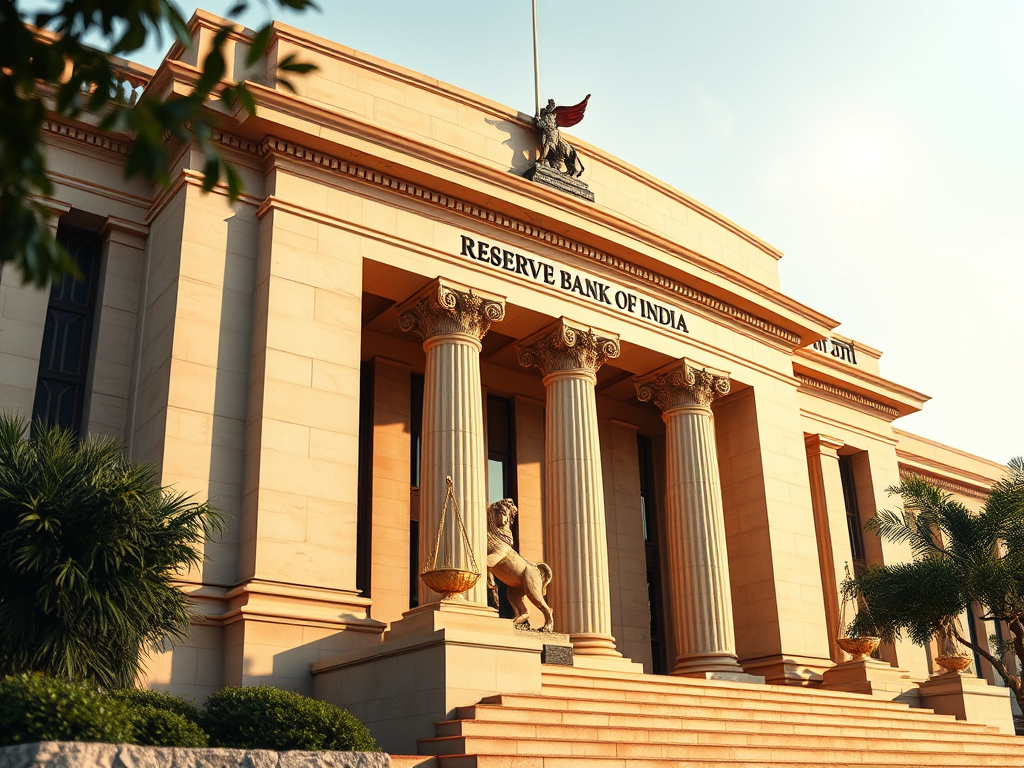
Strategic Inaction in Monetary Policy: The Reserve Bank of India & The Government of India
Independence of the Central Bank, or the Reserve Bank in the case of India, is the degree to which a country’s central bank can make decisions without direct political or governmental pressures. The role of formulation and implementation of monetary policy, in India, lies with the Reserve Bank of India, or the RBI. The RBI…